Seams between adjacent transformed layers
Reproducer
Two independently composited 100 x 100 images share an edge over a yellow backdrop. At non-integral browser zoom, the shared anti-aliased edge can expose a yellow seam.
Set browser zoom to 80%, 90%, 110%, or 125%, then move the phase control. The expected result is one continuous blue rectangle.

Cause
Each image edge is blended separately with SrcOver. Complementary edge coverages therefore apply the backdrop twice at any shared edge that lands on a fractional device coordinate.
The fix removes the fractional edge at the source: layers composited solely for a 3d-transform reason (the translate3d map tile pattern) are snapped to the pixel grid in cc, reusing the same TransformTree snapping that scroll translations already get. With edges on integer device coordinates there is no partial coverage to mis-blend, no renderer changes are needed, and outer edges become crisp instead of anti-aliased. will-change: transform, animated, and view transition layers are deliberately not snapped: they either animate soon (a snap would jump at animation start) or must preserve captured fractional geometry. Behind the SnapComposited2dTranslations blink runtime feature (enabled by default, kill switch). An earlier attempt fixed this at composite time in Viz (AccumulateAdjacentAAQuadCoverage) but was rejected for its O(n^2) quad analysis and forced shader blending.
Before / after
Captures from the same patched build at device scale factor 1.25 (headless, software compositing). "Before" runs with --disable-blink-features=SnapComposited2dTranslations, which is equivalent to an unpatched build; "after" is the default. Crops are 4x nearest-neighbor around the shared edge.
Case 1: adjacent composited image layers (this issue's repro)
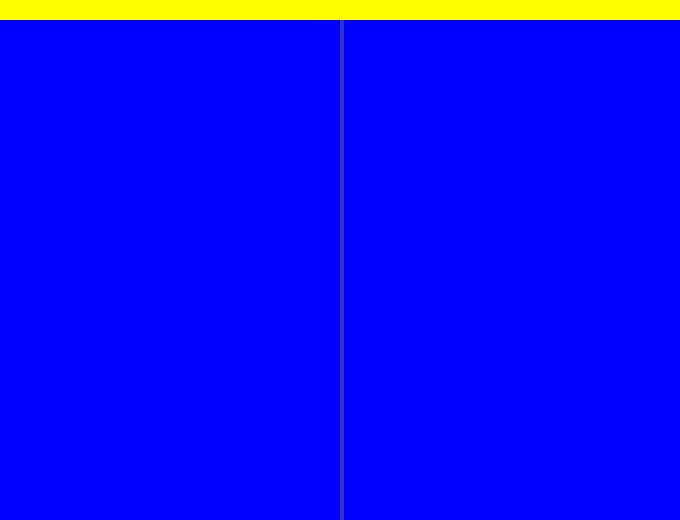

Two independently composited 100x100 images over yellow, translated to a fractional device position.
Case 2: adjacent solid color layers
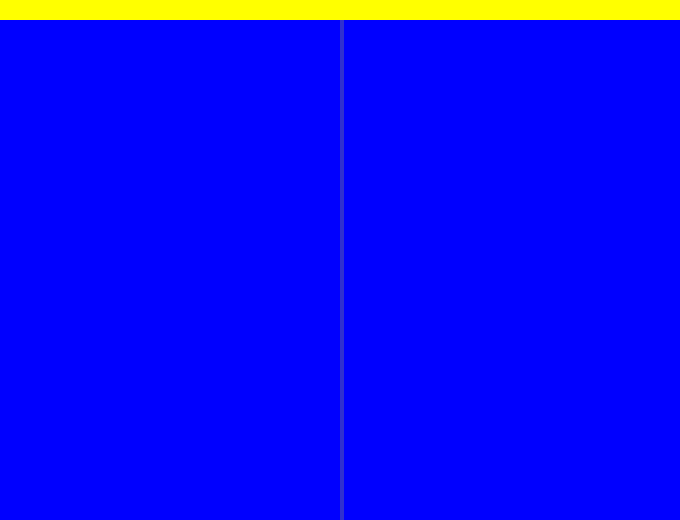

Solid color layers skip rasterization and become SolidColorDrawQuads, so the raster-time seam mitigation never applied to them. Matches the open "adjacent solid color layers" rows in the issue 40084005 case sheet.
Case 3: map tiles (leaflet), fractional translation
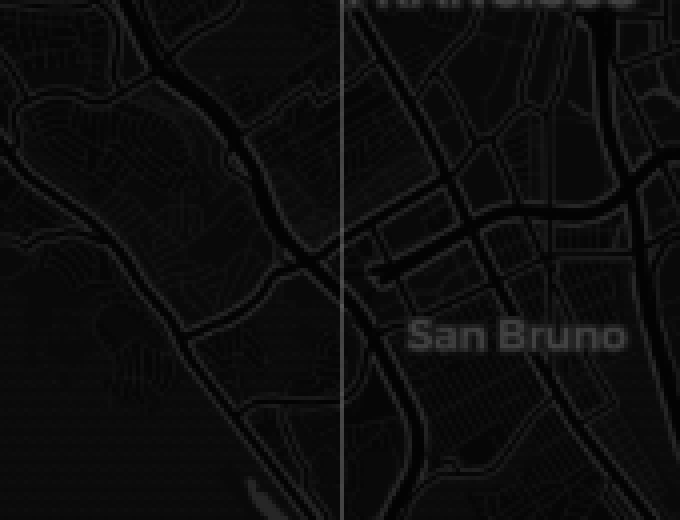
Leaflet-style pane: absolutely positioned tiles moved by translate3d, with the pane panned to a fractional offset; the same pattern as the leaflet tile case from the issue 40084005 case sheet, freemap.sk, and Google Maps tile seams. Both the vertical and the horizontal seam lines at the tile junction disappear.