Skia GM goldens: main vs PS6 (broken) vs PS7 (fixed)
Chromium repro check — linear-3801 screenshot crops
linear-3801 — SwiftShader Vulkan, GPU rasterization, Ganesh


Before: band boundaries smear over ~13px. After: 1px transitions — the original issue stays fixed with the PS7 colorizer.
What this page shows
EGL_PLATFORM=surfaceless LIBGL_ALWAYS_SOFTWARE=1 \
  dm --config gl 8888 -m hardstop_gradients_many gradients_color_space_many_stops \
     gradient_many_stops gradients_alpha_many_stops -w out
Diff vs raster ground truth
| GM | main | PS6 (broken) | PS7 (fixed) |
|---|---|---|---|
| hardstop_gradients_many | 8.88% bad, maxDiff 242 | 6.21% bad, maxDiff 242 | 0.21% bad |
| gradients_color_space_many_stops | 46.98% bad, maxDiff 127 | 20.00% bad, maxDiff 226 | 0.65% bad, maxDiff 30 |
| gradient_many_stops | 35.34% bad, maxDiff 100 | 20.61% bad, maxDiff 223 | 0 bad, maxDiff 12 |
| gradients_alpha_many_stops | 0 bad | 0 bad | 0 bad |
"bad" = pixels with any channel differing from the raster render by more than 16/255. PS7's residual diffs are single-pixel hardstop boundary columns and F16 interpolation precision (OKLCH) — the same encoding tradeoff as Graphite's texture gradient path.
1. hardstop_gradients_many — 2..200 stops, one row per count
1000×2000; rows 65-100 (130-200 stops) hit the buffered colorizer
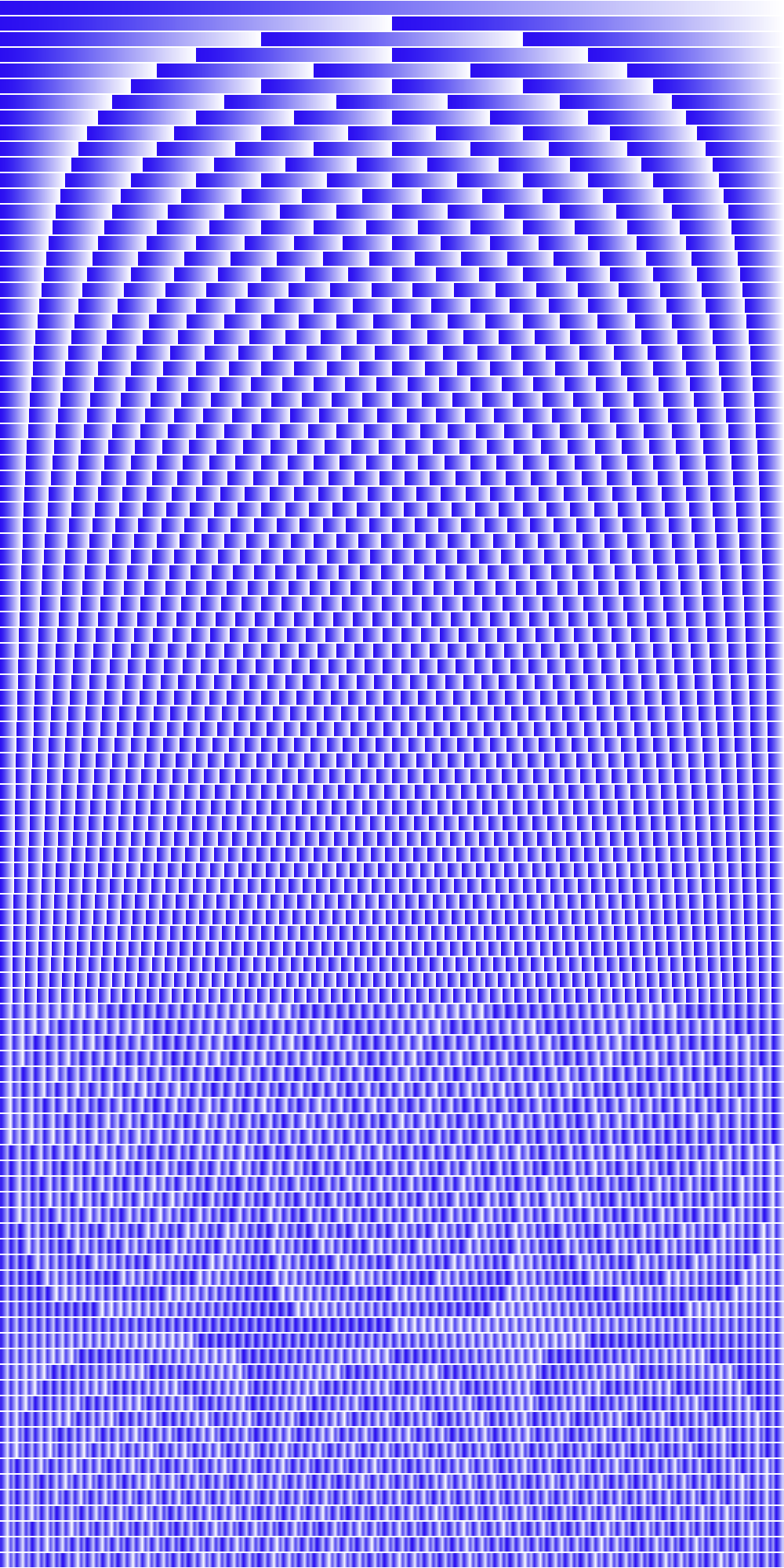
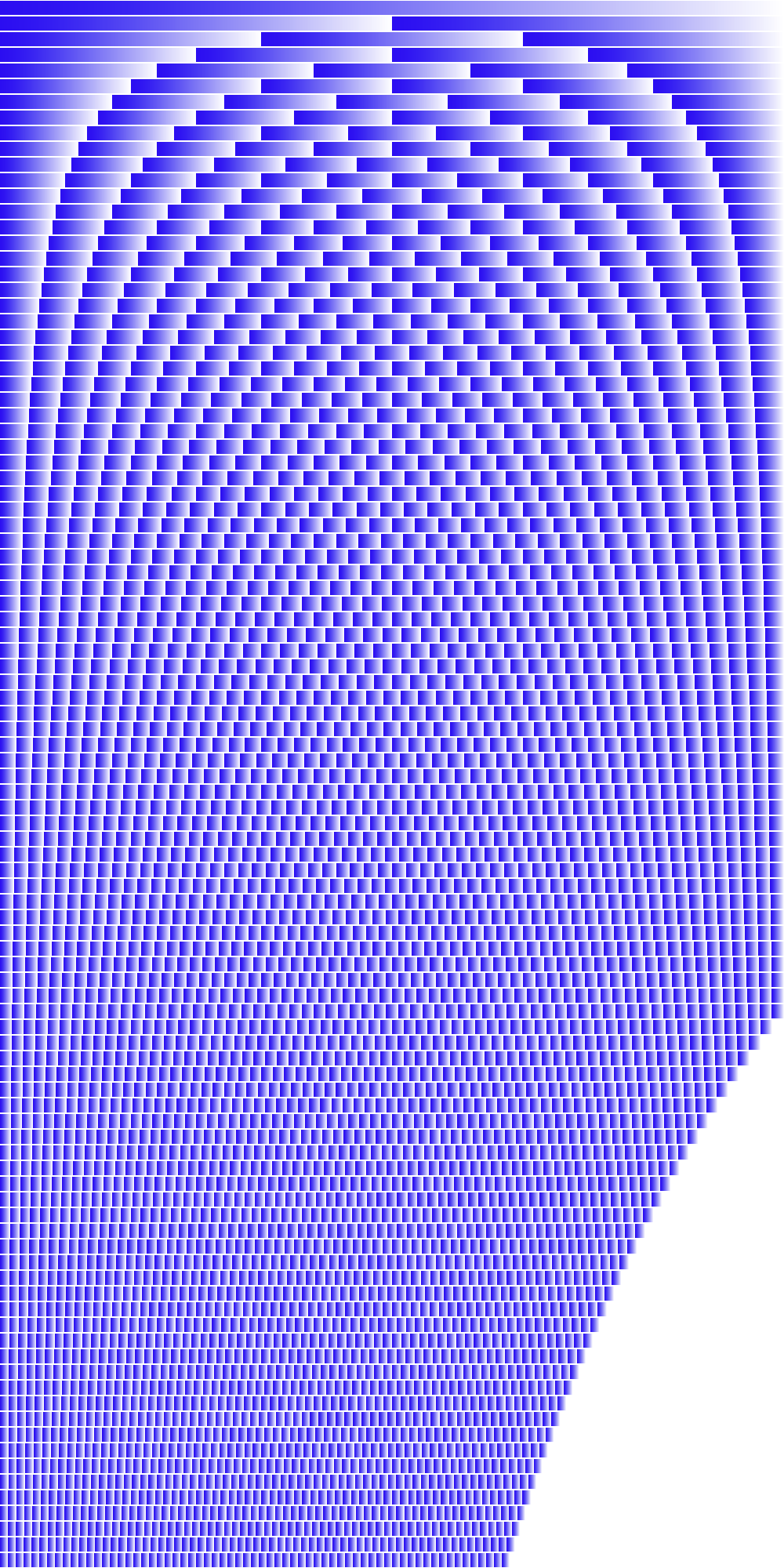
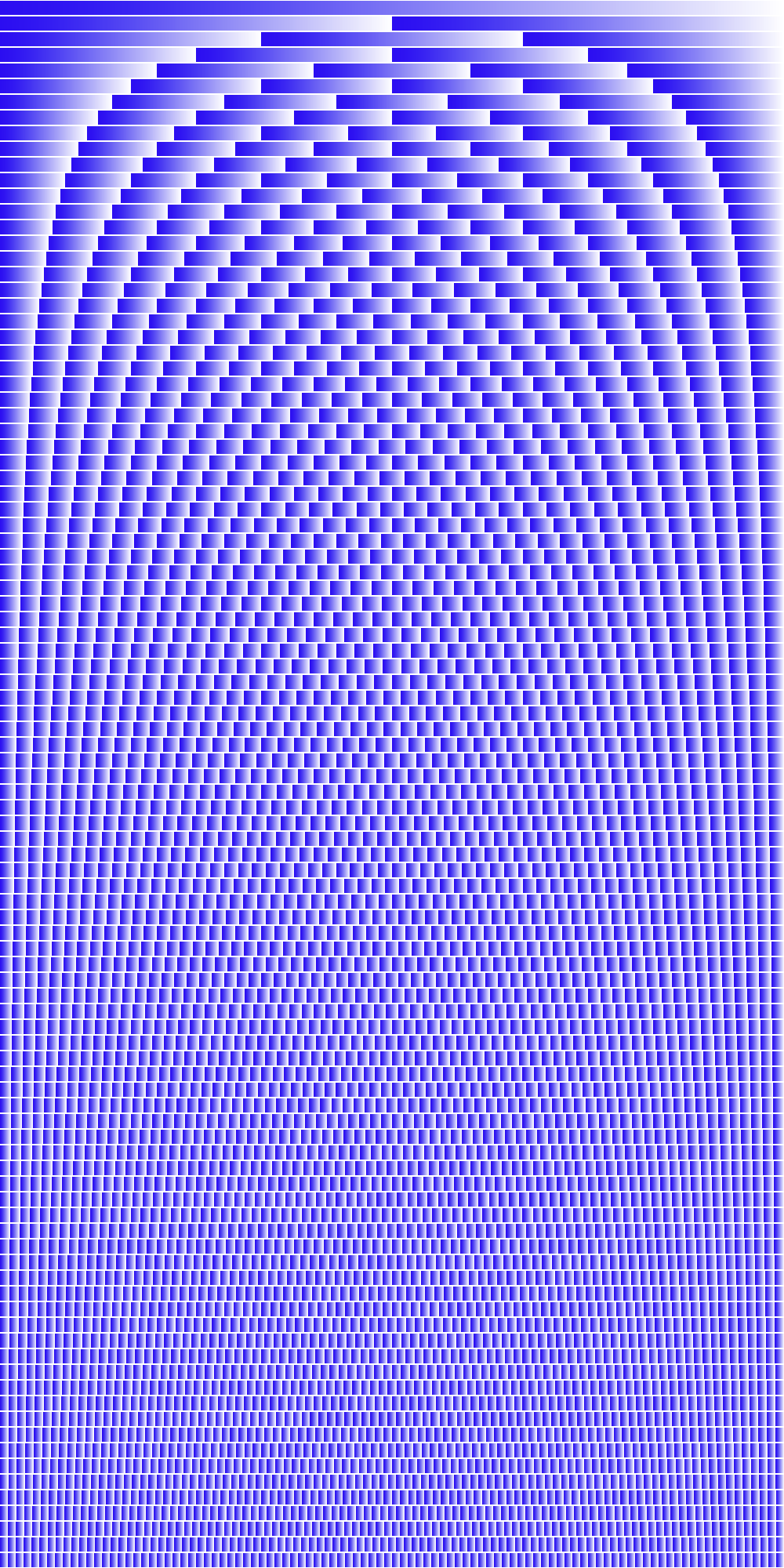
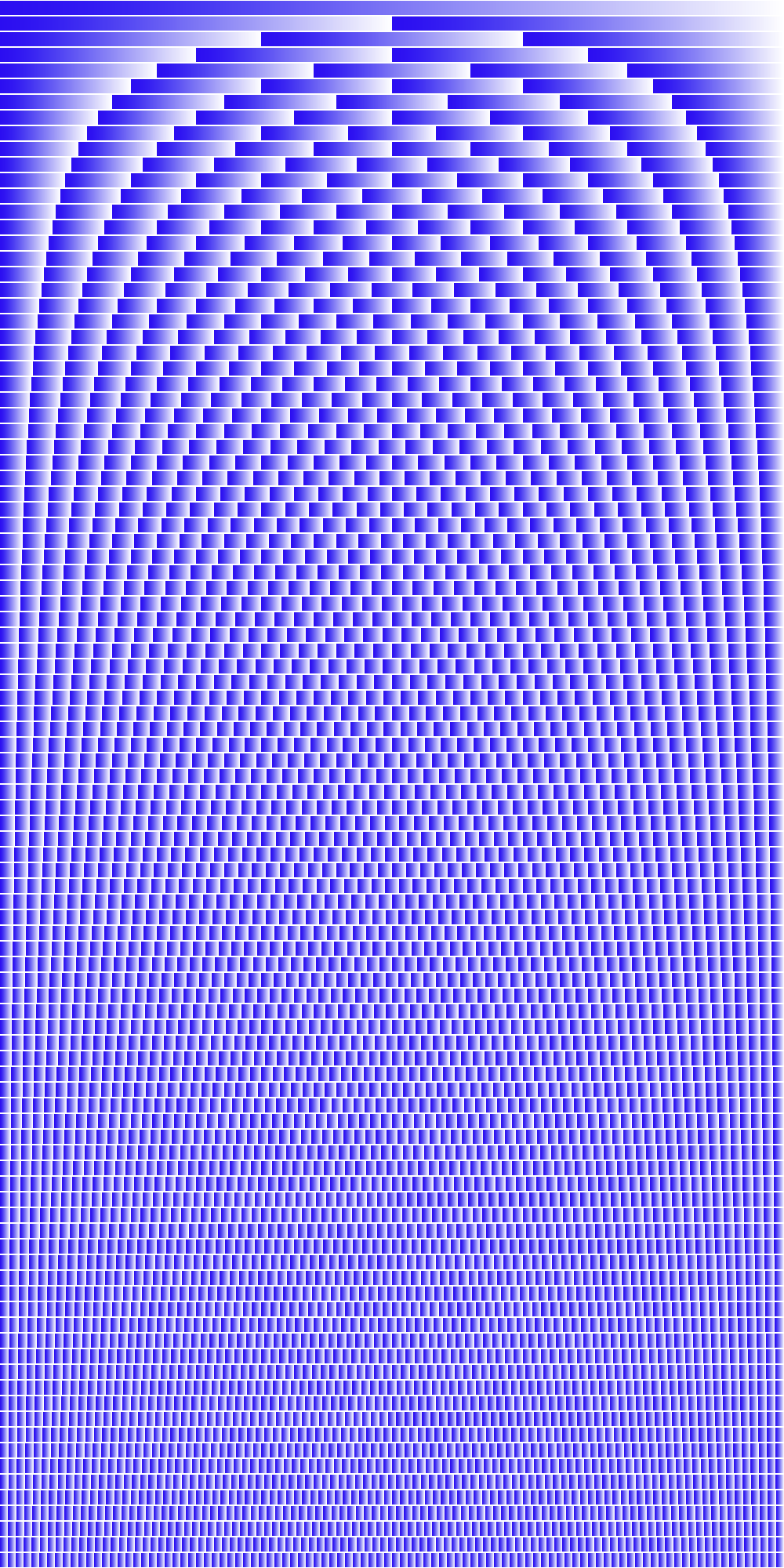
The garbled bottom half on main is the bug this CL fixes:
rows ≥ 65 push 130+ stops through the 256-texel bitmap colorizer, so
bilinear sampling turns the hardstop rows into moire mush. PS6 failure
mode: row 65 (130 stops) seeded the loopCount=8 cached effect; rows 66-100
reused it and clamp at stop index 130 — e.g. row 100 renders the
last color for all t ≥ 0.65. PS7 matches raster row for row.
2. gradients_color_space_many_stops — 200 stops, OKLCH
500×500 hard-stop pattern, OKLCH interpolation
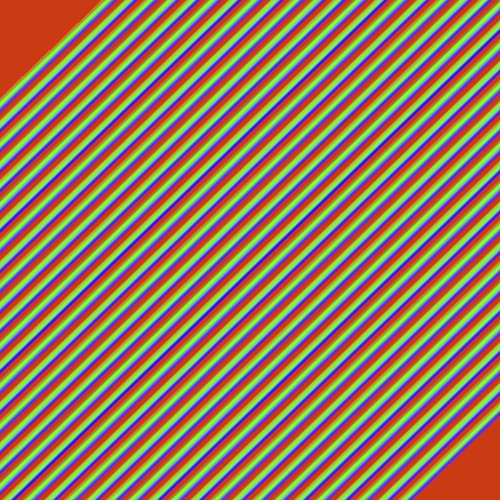
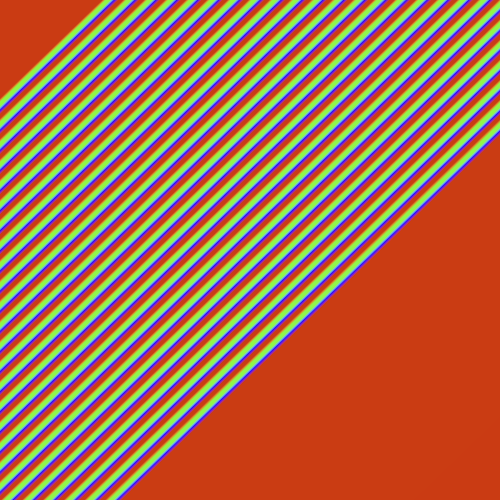
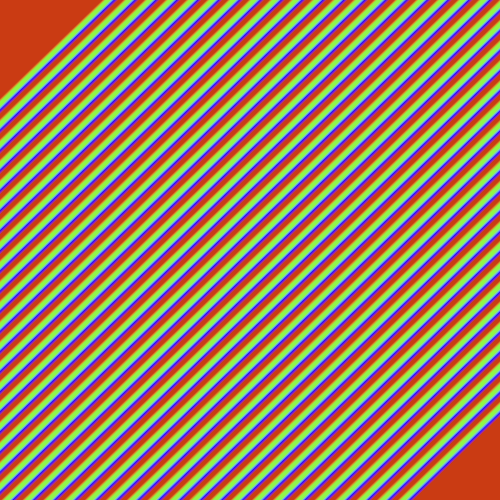
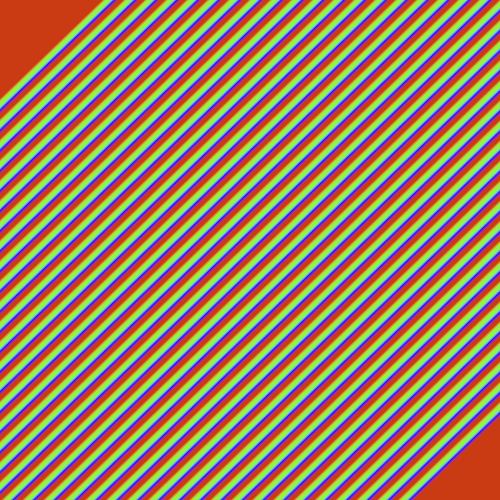
This GM exists to exercise the GPU texture fallback with an exotic
interpolation space. main: fully smeared. PS6: crisp up to stop 130, wrong
beyond. PS7: maxDiff 30 vs raster (F16 precision).
3. gradient_many_stops — 100 evenly spaced stops
500×500
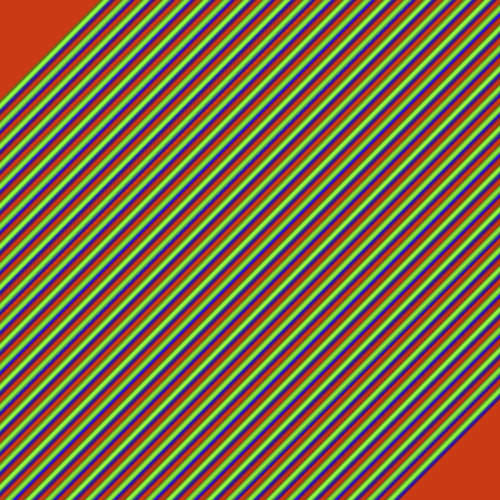
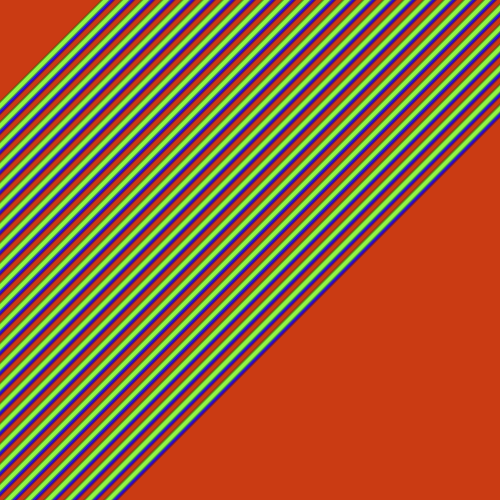
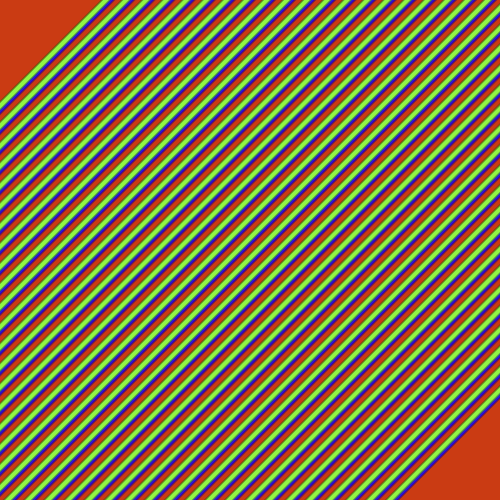
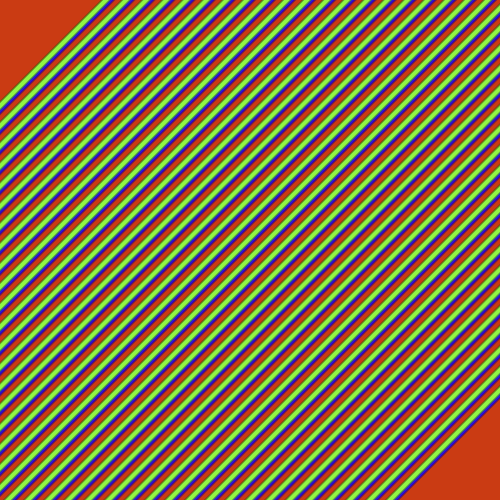
PS7 is pixel-clean vs raster (maxDiff 12, zero pixels above threshold).
4. gradients_alpha_many_stops — alpha ramp
100×100




Identical in all states (stop count below the analytic colorizer caps) —
included as a no-regression control.